

Social media has become an integral part of our lives in today’s digital age. It allows us to connect with people across the globe and share our thoughts and experiences with them. However, the ease with which we share personal information on social media has led to a growing concern about oversharing. Oversharing refers to sharing too much personal information on social media, which can have serious consequences.
One of the biggest dangers of oversharing on social media is the risk of identity theft. Sharing personal information such as your full name, date of birth, and address on social media can make it easier for hackers to steal your identity. They can use this information to open bank accounts or credit cards in your name, leaving you with the burden of cleaning up the mess.
Another danger of oversharing on social media is the risk of cyberbullying. Cyberbullying is using technology to harass, intimidate, or humiliate someone. Sharing personal information on social media can make you a target for cyberbullies, who can use this information to bully you online. This can have a severe impact on your mental health and well-being.
Oversharing on social media can also have severe consequences for your employment prospects. Employers often check the social media profiles of potential employees before hiring them. Sharing inappropriate or offensive content on social media can reflect poorly on your character and affect your chances of getting hired.
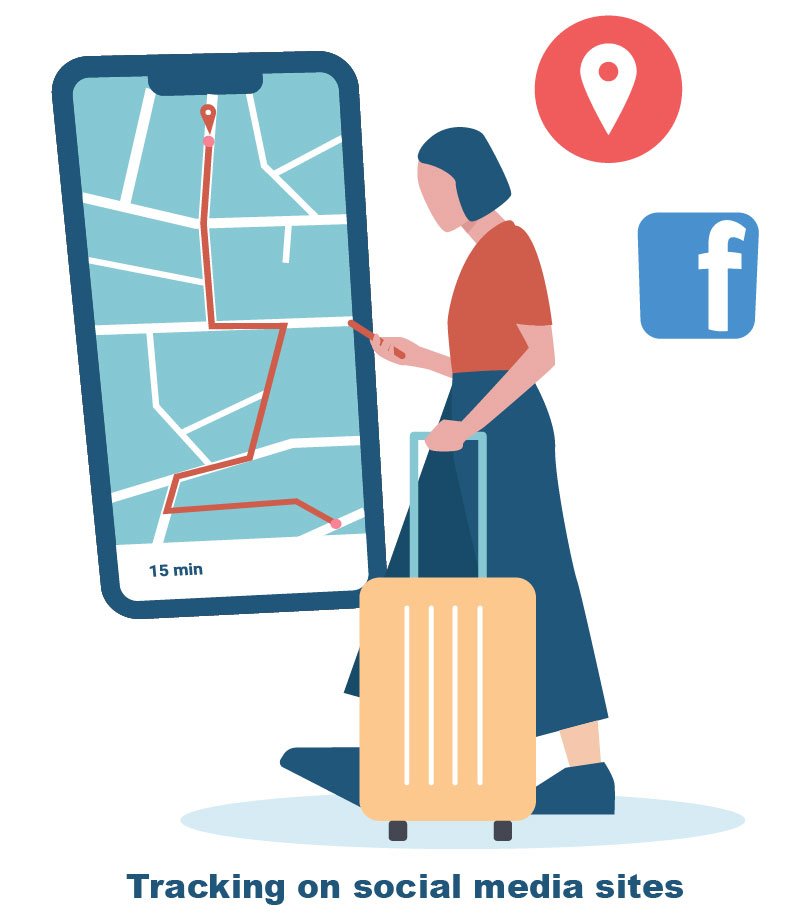
Moreover, oversharing on social media can also put your safety at risk. Sharing your location or travel plans can make it easier for stalkers or burglars to target you. Posting pictures of expensive items or valuables can also make you a target for theft.
Oversharing on social media can have serious consequences, including identity theft, cyberbullying, employment prospects, personal safety, and mental health. It’s essential to be mindful of the information you share on social media and to think twice before posting anything that could put you at risk. Don’t overshare on social media; always prioritize your safety and well-being.
How to Protect Your Privacy Online
One of the most important things you can do to protect your privacy online is to avoid oversharing social media. It can be tempting to share every detail of your life with your friends and followers, but doing so can put you at risk.
First and foremost, you should be careful about the personal information you share online. Avoid sharing your full name, address, or phone number on social media. It would be best to be cautious about the photos you share, as they can reveal details about your location, interests, and more.
Another critical step is to adjust your privacy settings on social media sites. Ensure that only your friends or followers can see your posts, and limit the personal information visible to the public. You can also use tools like two-factor authentication to add an extra layer of security to your accounts.
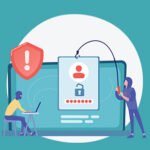
It’s also good to be cautious about the links you click on, especially if they come from sources you don’t know. Malicious links can lead to phishing scams, malware infections, and other online threats.
Finally, you must be aware of the data companies collect about you online. Many websites and apps track browsing habits, search history, and other personal information. You can limit this by using ad blockers and clearing your browsing history regularly.
By following these tips and being vigilant about online privacy, you can protect yourself from various online threats and keep your personal information safe.
The Consequences of Sharing Too Much Information
In today’s digital age, social media has become an integral part of our lives, and we tend to share much personal information online. However, oversharing on social media platforms can have severe consequences, both for individuals and society as a whole.
One of the most significant consequences of sharing too much information online is the risk of identity theft. Personal information, such as your full name, birth date, and location, can be used by cybercriminals to steal your identity and commit fraud. Moreover, sharing too much information about your daily routine or vacation plans can make you vulnerable to burglars.
Another consequence of oversharing on social media is the negative impact on your mental health. Constantly comparing your life to others on social media can cause feelings of inadequacy, low self-esteem, and depression. Moreover, sharing too much information about your personal life can attract unwanted attention and online harassment.
Oversharing on social media can also have severe consequences on your professional life. Inappropriate posts and comments can damage your reputation and make finding employment or advancing your career difficult. Moreover, sharing confidential information about your workplace can result in serious legal repercussions.
Lastly, sharing too much information online can have severe consequences for society. The spread of fake news and misinformation on social media can have a far-reaching impact on politics, public health, and social issues. Moreover, the constant sharing of personal information can lead to the erosion of privacy and the normalization of surveillance.
Tips for Keeping Your Personal Life Private on Social Media
Social media has become an integral part of our lives, and we often use it to share our moments with others. However, sharing too much information can threaten our privacy and security. Here are some tips for keeping your personal life private on social media:
1. Don’t overshare on social media: Be mindful of what you post. Don’t share personal information such as your phone number, address, or financial information. Also, avoid posting sensitive information such as travel plans or location.
2. Review your privacy settings: Make sure you review your privacy settings on your social media accounts regularly. This will help you control who can see your posts and information. You can adjust your settings to make your posts visible only to friends or family.
3. Be careful what you comment on: Be careful what you comment on other people’s posts. Your comments can reveal your personal information and opinions. Avoid commenting on sensitive topics or sharing your personal views on controversial issues.
4. Limit your friend requests: Be selective about who you add as a friend on social media. Don’t accept friend requests from strangers or people you don’t know well. Also, avoid adding co-workers or your boss as friends on social media.
5. Be cautious with photos: Be careful about the images you post on social media. Avoid posting pictures that reveal your location or the people you’re with. Also, be mindful of your tagged photos, which can disclose your personal information.
Balancing Online Presence with Personal Security
With the rise of social media and online communication, balancing one’s online presence with personal security has become increasingly important. While sharing information and photos with friends and family can be an enjoyable experience, it is crucial to be mindful of what information is being shared and who can access it.
One of the most important things to remember when balancing online presence with personal security is avoiding oversharing social media. This means being mindful of the personal information being shared, such as full name, address, phone number, and email address. It is also essential to be cautious about sharing information about one’s daily routine or whereabouts, as this can make it easier for potential attackers to track one’s movements.
Another important aspect of balancing online presence with personal security is being careful about the types of photos shared online. While it can be tempting to share photos of oneself or loved ones, it is crucial to be mindful of what is in the photo’s background, as this can reveal sensitive information such as one’s home address or workplace. It is also essential to be cautious about sharing photos that show one’s location or travel plans, as this can make it easier for attackers to target one.
In addition to being cautious about what information and photos are being shared online, securing one’s online accounts is also essential. This includes using strong passwords, enabling two-factor authentication, and regularly checking for suspicious activity on one’s funds. Limiting the amount of personal information stored on online accounts, such as credit card information or social security numbers, is also a good idea.
Balancing online presence with personal security requires a combination of caution, mindfulness, and proactive steps to secure one’s online accounts and information. By being mindful of what information is being shared online and taking steps to reserve online funds, individuals can enjoy the benefits of social media and online communication while minimizing the risk of personal security threats.
The Risks of Oversharing: Cyberbullying and Identity Theft

In the age of social media, it is easy to get carried away with sharing every aspect of one’s life. However, oversharing can have serious consequences, including cyberbullying and identity theft.
Cyberbullying is a type of harassment that takes place online. It can involve spreading rumors, making hurtful comments, or threatening someone’s safety. Those who overshare on social media are more likely to become victims of cyberbullying because they give potential bullies more information to use against them. Additionally, oversharing can make it easier for cyberbullies to target someone because they know where the person is, what they are doing, and who they are with.
Identity theft is another risk of oversharing on social media. Identity theft occurs when someone uses another person’s personal information to commit fraud or other crimes. When people overshare on social media, they give potential identity thieves more information to use against them. For example, if someone shares their full name, birth date, and address on social media, an identity thief could use that information to open credit accounts in the person’s name.
It is essential to be cautious about what one shares on social media. People should avoid sharing personal information, such as their full name, birth date, address, and phone number. They should also avoid sharing too many details about their daily activities or whereabouts. By being mindful of what they share online, people can reduce their risk of becoming victims of cyberbullying or identity theft.
The Importance of Maintaining a Professional Image Online
In today’s digital age, it is crucial to maintain a professional image online. With the increasing use of social media and other online platforms, it is easy to forget that our online presence can significantly impact our personal and professional lives. Therefore, we must be mindful of what we share online and how others might perceive it.
One of the most important things to remember when maintaining a professional image online is to avoid oversharing on social media. Sharing personal details about your life, such as your political views, religious beliefs, or daily activities, can harm your online image. It is essential to remember that anyone, including potential employers, clients, or colleagues, can see anything you post online.
Another critical aspect of maintaining a professional image online is to ensure that your online persona aligns with your offline behavior and personality. It is essential to be authentic and genuine while also being mindful of how you present yourself online. This means avoiding offensive or controversial language, refraining from posting inappropriate content, and respecting others.
Additionally, it is essential to maintain a consistent and cohesive online presence across all platforms. This means using the same profile picture, username, and bio across all your social media accounts. It also means being active on all platforms and regularly engaging with your followers and connections.
How to Avoid Common Social Media Mistakes
In today’s world, social media has become an integral part of our lives. It is where we share our thoughts, emotions, and experiences with our friends and family. However, sometimes we overshare on social media, which can lead to severe consequences. Here are some tips on how to avoid common social media mistakes and protect your privacy.
1. Be cautious about what you share
Before sharing anything on social media, ask yourself if it is something you want the whole world to know. If the answer is no, then don’t share it. Sharing personal information such as your address, phone number, or financial details can put you at risk of identity theft. Similarly, sharing your location can make you vulnerable to physical harm.
2. Don’t share everything in real-time
Sometimes, we get carried away and share everything in real-time. This can be dangerous, especially if you are traveling or attending events. It is better to wait until you return home before sharing your experience. Also, avoid sharing your location in real time, as it can give away your movements and habits.
3. Be careful with photos and videos
Photos and videos are some of the most popular items shared on social media. However, be careful about what you post. Avoid sharing pictures of your children, as it can put them at risk. Also, be cautious about sharing photos of your home or workplace, as it can give away important information about you.
4. Be mindful of your comments and posts
Social media is a place where people express their opinions and thoughts. However, being mindful of what you post and comment on is crucial. Avoid making offensive comments or posts that can hurt someone’s feelings. Also, be careful about what you share, as it can reflect on your character and reputation.
The Benefits of Limiting Your Online Disclosure
In today’s digital age, social media platforms have become crucial in our daily lives. From sharing our thoughts, pictures, and personal information to connecting with friends and family, social media has made communication more accessible. However, with the rise of social media, the risk of oversharing personal information has also increased. It has become easier for hackers, cybercriminals, and even employers to access our personal information, making it essential to limit our online disclosure. Here are some of the benefits of limiting your online disclosure:
1. Protecting Your Personal Information: One of the most significant benefits of limiting your online disclosure is protecting your personal information. By sharing less information online, you reduce the risk of identity theft, cyberstalking, and other forms of online harassment.
2. Maintaining Privacy: Another benefit of limiting online disclosure is maintaining privacy. By sharing less information online, you can ensure that your personal life remains private and avoid unwanted attention or scrutiny from others.
3. Avoiding Embarrassment: Limiting your online disclosure can avoid embarrassing situations. Sharing too much information online can lead to regrets and embarrassment later on, especially if the information is shared with the wrong people.
4. Protecting Your Reputation: Limiting your online disclosure can help protect your reputation. Sharing inappropriate or offensive content online can damage your reputation and even affect your career prospects. Controlling what you share online can protect your reputation and avoid negative consequences.
5. Maintaining Control: Limiting your online disclosure gives you more control over your online presence. By controlling what you share online, you can ensure that your online persona accurately represents who you are and what you stand for.
Protecting Your Reputation in the Digital Age.
In the digital age, protecting your reputation online is more important than ever. With the widespread use of social media, it is easy for anyone to access and share information about you. Therefore, being mindful of what you post on these platforms is crucial.
One of the easiest ways to protect your reputation online is to avoid oversharing on social media. While sharing every aspect of your life with your followers may be tempting, it is essential to remember that what you post can have consequences. Anything you post online can be seen by potential employers, clients, or even strangers and can be used to form an opinion of you.
To avoid oversharing, it is essential to consider the potential impact of your posts. Think about whether your post could be misinterpreted or taken out of context. Consider whether it could be seen as offensive or inappropriate. If you are unsure, it is best to err on caution and not post it at all.
Another way to protect your reputation online is to be mindful of who you interact with on social media. Be wary of accepting friend requests or following people you do not know. Being careful about your comments on other people’s posts is also essential. Avoid making negative or controversial comments that could reflect poorly on you.
In addition to being careful about what you post and who you interact with, it is essential to monitor your online reputation. Regularly search for your name on search engines and social media platforms to see what information is available about you. If you find any harmful or inaccurate information, take steps to have it removed or corrected.

In conclusion, protecting your reputation in the digital age requires being mindful of what you post, who you interact with, and how you are perceived online. By taking these steps, you can ensure that your online presence reflects your values and personality and present yourself in the best possible light.
It is essential to realize that social media platforms are public spaces, and anything you post can have long-term consequences. Oversharing on social media can lead to a lack of privacy, identity theft, harassment, and even physical harm. Therefore, it is essential to be mindful of what you share online and to set boundaries for yourself. It is wise to avoid sharing personal information such as your home address, phone number, and financial information. Additionally, it is essential to be aware of the potential impact that your posts could have on your reputation and relationships. By being cautious and thoughtful about what you post on social media, you can protect yourself and your loved ones from potential harm. Remember, once something is posted online, it is out there forever, so think twice before oversharing on social media.








[…] as it looks. The popular app usually compromises people’s device data and sends them to various social media platforms. This usually takes place before the user agrees to its privacy policy. Then again, the […]
[…] The Dangers of Oversharing on Social Media – I See U says: October 22, 2023 at 2:40 pm […]