


The internet has transformed the way we live our lives. Due to how indispensable this technology is to many of us, we usually spend much time surfing the net. However, while we surf the net, little do we know that we leave traces of our activities with our different websites and applications. Many websites usually collect our information to better serve us with customized products and services. This way, they can identify us whenever we use their products or services. While this is highly beneficial to the customer, there are concerns that this is violating their privacy rights online. To allay customers’ fears, websites usually have privacy policies explaining how they handle personal data. This helps to exempt them from potential liabilities in the case of a loss resulting from a breach of information from any of its users.
Latest data privacy statistics show that 25% of Americans get the request to accept a privacy policy daily, as 85% of adults worldwide try to enhance their privacies online (Exploding Topics, 2023).
What is a privacy policy?
A private policy is a written statement or document used to explain how a website or organization handles information related to employees, clients, or customers. Many companies and websites that gather third-party information as part of their operations usually have privacy policies. This policy is made available to visitors, clients, employees, or customers to reassure them that their information is used responsibly. Most privacy policies usually involve the website explaining how they handle personal information from customers. This personal data could be any given details that help to identify the person.
Privacy policy for websites
Many websites, e-commerce platforms, and registration portals collect customers’/users’ information daily. Most of these businesses usually have a privacy policy. This is an official statement that declares the party’s approach as to how they collect, store, or release the personal information they collect. This privacy policy informs the customers of the type of information they gather, its level of confidentiality, and whether it is shared among partners or sold to third-party enterprises or firms. Privacy policies usually have a broader scope than data use statements that are usually more specific and detailed.
Privacy policy: What type of information does a website collect
Many businesses, like websites, shopping centers, surveying agencies, and media organizations, usually collect personal information from people. Examples of the information that a website may collect from a user include (but are not limited to):
- Name
- Address
- Date of birth
- Marital status
- Contact information
- ID issue
- Expiry date
- Travel destination
- Financial records
- Medical history
- Credit information
- IP addresses
- Browser fingerprints
- Detailed input logs
- Software and hardware details
- Autofill data
How does a website collect your personal information
Websites collect personal information from visitors/users to help tailor their browser experiences online. This can be done in various ways.
First-party data collection: A website may collect personal information on a first-party basis. This means that it collects data from its users by itself. This usually involves tracking the way people interact with the website. There are no external companies that are involved in this process. For instance, the website can gather essential user data if you buy products online. This may include:
- The items that the online shopper may have viewed
- How much money they have spent
- The amount of time that they have spent on every page
Third-party data collection: A website can collect personal information from its users using a third party. These third parties usually do not have any affiliation with the website. This third-party data collection process can also be achieved by using third-party trackers. Websites use third-party trackers to collect information from their users when they visit other similar websites. For instance, an e-commerce website may deploy a third-party tracker to get a complete picture of a customer. These trackers usually help them with the following:
- How the customer shop at similar online stores
- ‘Their demographics
- Peculiar spending habits
Personal information: Options of a web user
Personal information: What measures does a website take to secure your private data
Websites usually take a holistic approach to securing their users’ private data. This involves using various methods and technologies to ensure that personal data from users are secured and safe. These technologies/methods include:
SSL Encryption: The SSL encryption technology is indispensable to processing private transactions from users. SSL creates an encrypted pathway between the website and the user. This means that no data gets intercepted. With encryption – you are sure that all personal user data is 100% safe.
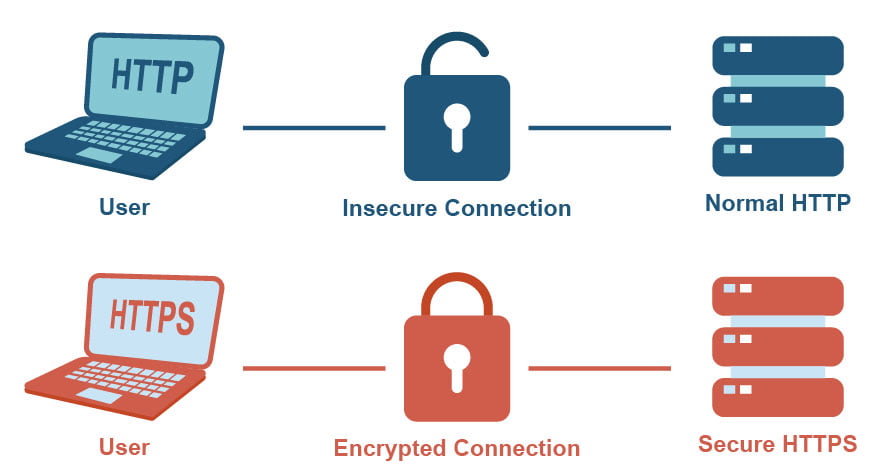
Online security tools: Websites like e-commerce shops, online betting platforms, and retail companies are usually susceptible to online attackers looking for various financial information. To keep all user data safe, these websites typically employ multiple technologies and approaches like web application firewalls, vulnerability scanning, malware detection, etc. These tools help webmasters to identify various malicious or suspicious activities.
Exploring third-party options: Since most websites, like betting sites, are easy targets for hackers, they usually outsource some of their data collection and processing to third parties. A good example here will be in processing financial transactions. To guarantee adequate security, large web-based businesses usually use third-party payment merchants to process payments. This helps minimize the risk of being compromised by vicious online malicious attacks from hackers.
Geolocation: Geolocation is another measure that websites take to help protect user data. Geolocation is a tool that banks and many financial institutions use online as a means to protect their customer’s data. It analyzes IP addresses; if anything looks suspicious, it declines the transaction.
How long does your personal information stay with a website?
As people surf different websites, these online portals store essential user information. The question here is how long does your personal information stay with the website? All the information a website has collected will usually remain forever with them. However, your personal information may be deleted from the website for one of the following reasons:
- Hardware limits
- Value
- Obsolescence
- Account deletions
- Intentionally renowned
- Link changes
Why read the privacy policy?
It is essential to read the privacy policy of a website. This is a document that tells the user about the way the website handles user data. If a website misuses your personal information, this can be a big problem in the real world. Privacy policies are practical tools that help users become familiar with the privacy risks of using a website. It is also essential to read privacy policies to know whether a particular website complies with the privacy laws that apply in your region.
Is it OK to agree to a privacy policy?
Why is it normal for users to agree to privacy policies? This shouldn’t be seen as some obligation. As a user, you can choose not to consent to a privacy policy. This is because it is not a legal contract between the user and the website. Instead, the privacy policy is a highly informative document that businesses provide to the public to comply with existing privacy laws in that area. This document usually informs its users about how they collect and use their personal information.
What happens when you don’t read the terms and conditions?
The terms and conditions on a website provide beneficial information to users about its operations concerning user data. If users fail to read the fine print, they can quickly become liable for something they do not know about. While many terms and conditions usually involve long and insignificant texts about website policies, many others are significant. This is why it is crucial to go over the terms and conditions for each web service or application. People who fail to read the terms and conditions of a website lack a basic idea of what they are agreeing to. This can be devastating in the future.

Users should understand a website’s privacy policy before agreeing to the terms and conditions. Due to how vital privacy policies are to users, it is essential that they read this document when they come across it on a website. To fully grasp the document, you must know how to read it. This is how to read a privacy policy:
- What personal data will the website be collecting?
- Are there any laws to regulate how personal data should be processed?
- In what manner will the personal data be collected?
- How will the personal data be put to use?
- Is it legal to use people’s private information?
- Will they be sharing the private data with their partners?
- How will all personal data be secured?
- For how long will the website retain the personal data
- Can the data be deleted or corrected?









[…] that the policy is easy to understand and meets your expectations as a consumer. If you encounter a website with a return policy that is confusing or appears suspicious, it’s best to avoid making a purchase and move on to […]
[…] that the policy is easy to understand and meets your expectations as a consumer. If you encounter a website with a return policy that is confusing or appears suspicious, it’s best to avoid making a purchase and move on to […]
[…] industry expert recently examined the privacy policy of these call-blocking apps from Apple’s app store and studied them against the network traffic […]