


The Internet of Things (IoT) has brought about many benefits, such as intelligent home automation, energy management, and voice assistants, but it could also pose privacy and security risks. IoT devices can collect extensive personal data, leading to surveillance, data exploitation, and identity theft. To address these privacy challenges, manufacturers should prioritize security, users must secure their devices, companies should adopt privacy as a core principle, and regulatory measures should be established. While the IoT continues to enhance our lives, a safer and more secure IoT ecosystem is crucial to address privacy risks.
The Internet of Things (IoT) has become an integral part of our daily lives, offering convenience, efficiency, and connectivity like never before. From smart home devices to wearable technology, IoT devices have transformed how we interact with our surroundings.
However, as the number of connected devices grows, so does the concern over privacy and data security. In this article, we explore strategies and best practices to enjoy the benefits of IoT devices while safeguarding our privacy.
An Interconnected World
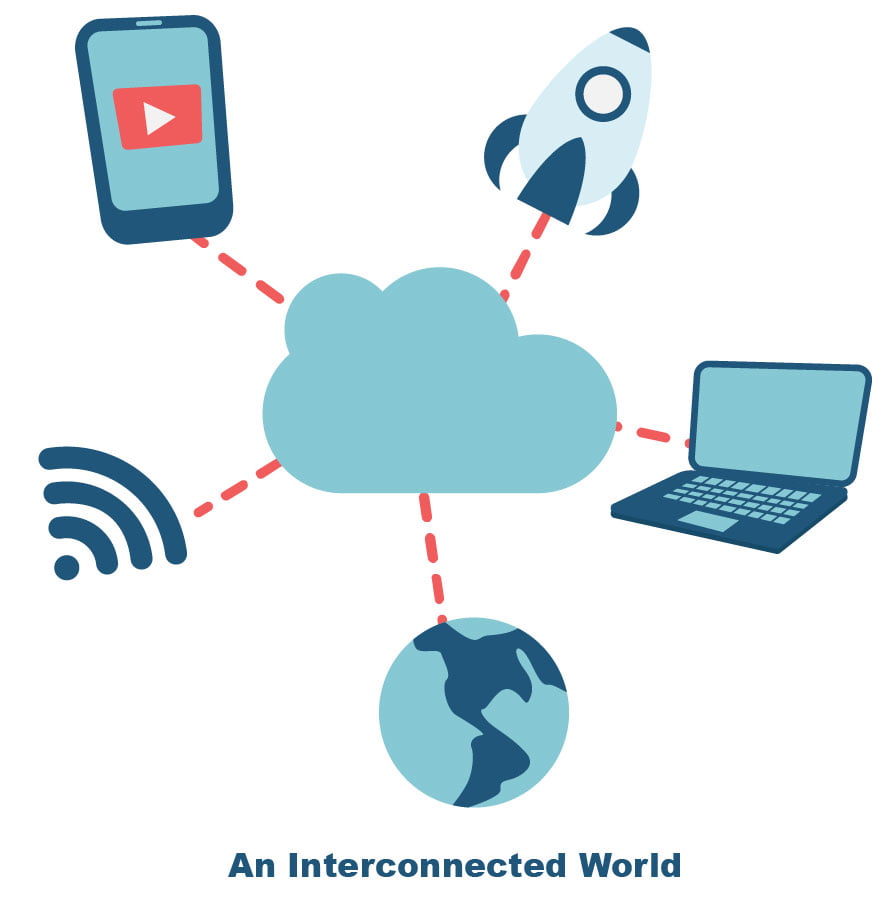
The technology allows businesses to collect vital information to enhance their operational efficiency. Specifically, IoT facilitates cost-cutting, improved workforce productivity, better customer satisfaction, faster lead times, etc. The collected data will serve as valuable inputs, whereas instruments like computing, the cloud, analytics, and mobile technologies will be the processing tools to generate outputs.
One example is wearables that can monitor user health. These wearables garner data and use analytics to give physicians helpful information to assess their patients’ conditions. Other applications include companies utilizing wearables to monitor the health and safety of employees in a dangerous work environment like a mining quarry, for example.
Making Everything More Intelligent
Though the technological aspect behind the Internet of Things is intricate, the benefits generated by these items are more visible to the end users. Wearables are just one in an ever-expanding world of more intelligent devices.
- Smart Home Automation: IoT enables the control and automation of various devices in a home environment. Users can remotely manage lighting, temperature, security systems, and appliances and monitor energy usage.
- Smart Energy Management: IoT enables the monitoring and controlling of energy usage in homes and businesses, leading to energy savings and more sustainable practices.
- Smart Appliances: IoT-enabled appliances like refrigerators, washing machines, and ovens can be controlled and monitored remotely. Users can receive alerts, adjust settings, and even automate tasks based on their preferences.
- Home Security: IoT-based security systems offer enhanced protection through connected cameras, motion sensors, and smart locks. Users can monitor their homes remotely, receive alerts, and even grant access to visitors.
- Entertainment and Media: IoT devices like smart TVs and streaming platforms offer personalized content recommendations, voice control, and seamless integration with other smart devices in the home.
- Voice Assistants: Devices like Amazon Echo and Google Home utilize IoT technology to provide voice-activated assistance. Users can control smart devices, ask questions, play music, set reminders, and more.
The IoT is increasingly enhancing the quality of our lives through the emergence of more intelligent and capable appliances. Though we can hardly imagine a life without the assistance of these valuable devices, the current technology is just the tip of the iceberg, with more mind-boggling inventions likely to crop up as we progress.
A Double-Edged Sword
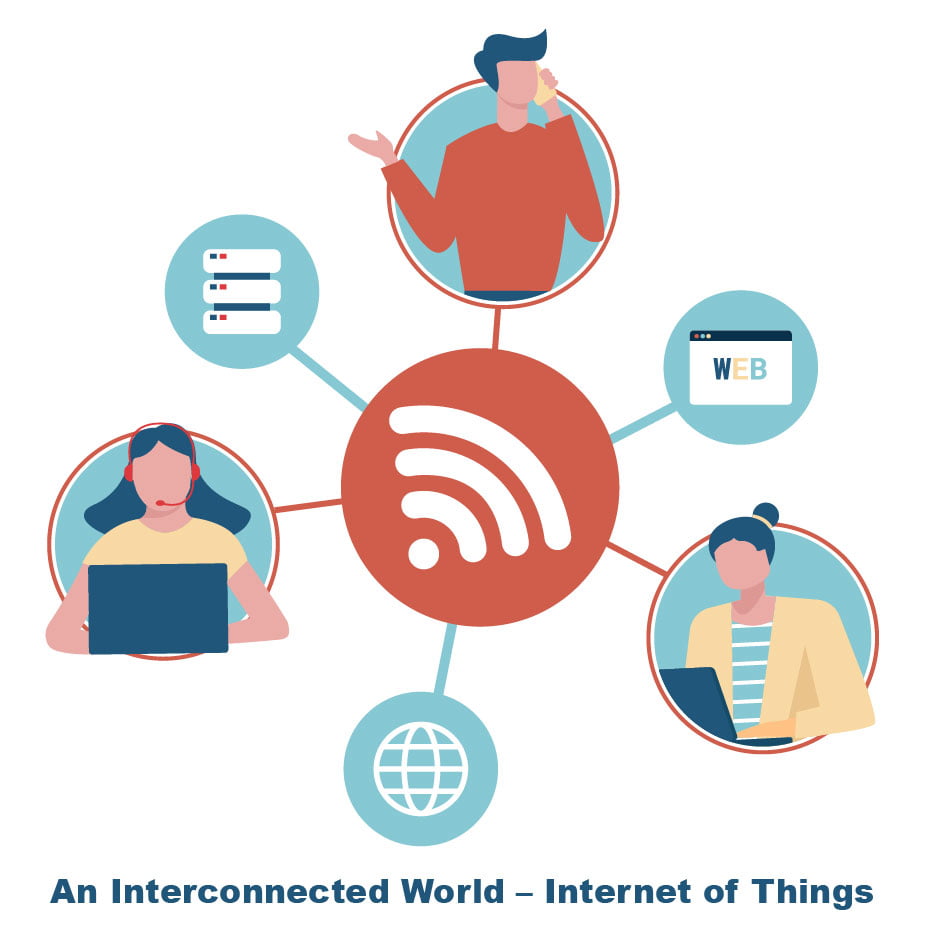
While the technology undoubtedly provides innovative solutions to many problems, the primary concern surrounding the Internet of Things is the sheer volume of data generated by interconnected devices. Smart home appliances, wearable devices, and even vehicles collect extensive information about our behaviors, preferences, and locations. This data can lead to a serious invasion of our private space, with such instances as the following:
- Surveillance and Tracking: IoT devices can capture an extensive amount of personal data, including location information, browsing habits, and daily routines. When this data falls into the wrong hands, it can lead to pervasive surveillance and tracking of individuals. Advertisers, cybercriminals, or even malicious governments may exploit this information to monitor and manipulate people’s behavior, eroding personal freedoms and autonomy.
- Data Exploitation and Profiling: The vast amounts of data collected by IoT devices are often used for targeted advertising, profiling, and monetization. Companies can build intricate profiles of individuals, which can be exploited for discriminatory purposes or sold to third parties without consent. Using this data for personalized advertising can also result in constant intrusion into personal lives and the loss of privacy.
- Identity Theft and Fraud: IoT devices that lack robust security measures can become entry points for hackers seeking to steal personal information. Unauthorized access to interconnected devices can lead to identity theft and financial fraud. For example, a compromised smart home system may expose personal data such as credit card information or even grant access to physical spaces, putting individuals at risk.
Some Possible Initiatives
To address these privacy challenges, several measures can be implemented:
Manufacturers should prioritize security when designing the IoT system. This includes incorporating encryption protocols, robust authentication mechanisms, and regular security updates. By embedding a fail-safe mechanism that triggers when compromises occur, devices are better protected from potential vulnerabilities.
Users must take an active role in securing their IoT devices. This involves changing default passwords, implementing solid and unique passwords, and regularly updating firmware and software. Additionally, users should disable unnecessary features that may collect excessive data and carefully review the privacy settings of each connected device.
Data minimization techniques can help mitigate internet privacy risks. Devices, especially in-home appliances, should only collect the necessary data required for their intended purpose and nothing more. Companies should adopt privacy as one of their core principles to ensure that user information is handled responsibly and with explicit consent across all internal departments.
Lastly, regulatory measures also play a crucial role in safeguarding IoT privacy. Governments and regulatory bodies should establish comprehensive frameworks that address the unique challenges of a fast-changing, interconnected environment. These frameworks should outline clear privacy guidelines, enforce data protection laws, and impose penalties for non-compliance. By holding companies accountable for their privacy practices, regulations can help foster a safer and more secure IoT ecosystem.








[…] companies without our knowledge or consent.Another risk is the potential for hacking. Smart home devices are often connected to the internet, making them vulnerable to cyber-attacks. Hackers can access our personal information, control our […]