

Here’s what you need to know to avoid scams on social media.
Through two long weeks, I wandered, stumbling through the nights guided only by the stars and hiding during the days behind some protruding rock or among the occasional hills I traversed.
For two days, I waited there for Kantos Kan, but as he did not come, I started on foot in a northwesterly direction toward a point where he had told me to lay the nearest waterway.
By Jules Romero | April 6, 2023
How Credentials Get Stolen
A. Phishing Attacks
Phishing attacks are a prevalent method cybercriminals use to trick individuals into revealing their login credentials. These attacks typically involve deceptive emails, messages, or websites that mimic legitimate sources, luring unsuspecting users to provide sensitive information. Phishers employ various techniques to manipulate their victims, such as creating urgent situations or impersonating trusted organizations.
One common phishing tactic is “spear phishing,” where attackers personalize their messages and specifically target individuals or organizations. By using cleverly crafted emails or messages that appear genuine, phishers aim to convince recipients to click on malicious links or provide their login credentials willingly.
B. Malware and Keyloggers
Malware, including keyloggers, presents another significant threat to credential security. Malicious software can infect devices through various means, such as email attachments, compromised websites, or infected downloads. Once installed, malware operates silently in the background, capturing keystrokes, screenshots, or even hijacking webcams, thereby collecting sensitive login information without the user’s knowledge.
Keyloggers, a type of malware, record every keystroke on an infected device, effectively capturing usernames, passwords, and other confidential data the user enters. This information is then transmitted to the attacker, granting them access to the compromised accounts.
C. Data Breaches and Credential Leaks
Data breaches occur when unauthorized individuals access a database or system containing user credentials. These breaches can result from security vulnerabilities, insider threats, or targeted attacks. Once obtained, the stolen credentials are often sold on the dark web or traded in illegal marketplaces, where cybercriminals can purchase them for their illicit activities.
Cybercriminals may use the acquired credentials to gain unauthorized access to user accounts on various platforms. They exploit the fact that many individuals reuse passwords across multiple accounts, making it easier for them to gain control over numerous accounts using a single set of stolen credentials.
D. Social Engineering
Social engineering relies on psychological manipulation to deceive individuals into revealing their login credentials willingly. Attackers exploit human emotions and trust to gain access to sensitive information. They may impersonate authoritative figures, create fake emergencies, or exploit personal relationships to trick individuals into disclosing their credentials.
Common social engineering tactics include pretexting, baiting, and quid pro quo. Pretexting involves creating a false scenario or identity to deceive victims into revealing their credentials. Baiting entices individuals with promises of rewards or benefits in exchange for their login information. Quid pro quo involves offering a service or assistance in exchange for the victim’s credentials.
Types of Password Attacks
A. Brute Force Attacks
Brute force attacks are a systematic process wherein every conceivable combination of passwords is systematically tested until the accurate one is eventually uncovered. Attackers use powerful computing resources or specialized software to automate the process, allowing them to try millions of password combinations quickly. Weak or easily guessable passwords are particularly vulnerable to brute-force attacks.
To protect against brute force attacks, individuals and organizations should enforce strong password policies, including using complex and unique passwords and implementing account lockouts and rate limiting to prevent multiple login attempts.
B. Dictionary Attacks
Dictionary attacks use common words, phrases, or previously leaked passwords as potential login credentials. Attackers use pre-existing dictionaries or generate custom ones based on publicly available information. By systematically testing these combinations, they increase the likelihood of discovering passwords that users commonly employ.
To defend against dictionary attacks, it is essential to encourage users to create strong and unique passwords that are not easily guessable. Implementing multi-factor authentication adds an extra layer of security by requiring an additional verification step, reducing the effectiveness of dictionary attacks.
C. Credential Stuffing
Credential stuffing is a technique where cybercriminals use automated tools to input stolen credentials into various websites and applications rapidly, exploiting the fact that individuals often reuse passwords across different platforms. Attackers take advantage of leaked username and password combinations from data breaches and systematically attempt to gain unauthorized access to accounts.
To mitigate the risk of credential stuffing, individuals should use unique passwords for each account and regularly monitor their accounts for any suspicious activity. Organizations can implement security measures such as account lockouts, CAPTCHAs, and anomaly detection systems to detect and prevent credential-stuffing attacks.
Actions Taken by Hackers
Once hackers obtain stolen credentials, they can carry out several malicious activities that compromise the security and privacy of individuals and organizations.
A. Account Takeover
Account takeover occurs when hackers gain unauthorized access to a user’s account using stolen credentials. Once inside, they can manipulate account settings, steal sensitive information, conduct fraudulent transactions, or use the compromised account as a platform for further attacks. Account takeovers can have severe consequences, including financial loss, reputational damage, and privacy breaches.
To safeguard against account takeovers, individuals should regularly update their passwords, enable multi-factor authentication, and monitor their accounts for suspicious activity. Organizations should implement robust security measures, such as user behavior analytics and anomaly detection, to detect and prevent account takeovers.
B. Credential Trading and Monetization
After acquiring stolen credentials, cybercriminals often engage in the illicit trade and monetization of this information. They sell or exchange credentials in underground markets, dark web forums, or specialized websites. Other malicious actors can use these credentials for various purposes, such as identity theft, financial fraud, or cyber-attacks.
Law enforcement agencies, cybersecurity professionals, and industry collaborations actively work to combat the trade and monetization of stolen credentials. Implementing stringent security measures, raising user awareness, and promoting responsible data handling practices are crucial in curbing the illegal credentials trade.
Tricking Users to Disclose Login Credentials
In addition to direct theft and technical exploits, cybercriminals employ tactics to deceive users into willingly disclosing their login credentials. Attorneys can trick individuals into revealing sensitive information by exploiting human vulnerabilities and psychological manipulation.
A. Phishing Emails and Websites
Phishing emails and websites are designed to appear legitimate, often imitating well-known companies, financial institutions, or service providers. These deceptive communications request users to click on malicious links, provide login credentials, or enter personal information. By posing as trusted entities, attackers attempt to deceive users and gain unauthorized access to their accounts.
Users should exercise caution when opening emails, especially those with suspicious or unexpected requests to avoid falling victim to phishing attacks. Verifying the legitimacy of websites by checking for secure connections (HTTPS) and paying attention to subtle signs of phishing, such as misspellings or unusual domain names, can significantly reduce the risk of disclosing login credentials.
B. Social Engineering Tactics
Social engineering tactics leverage human psychology to manipulate individuals into divulging their login credentials. Attackers exploit trust, fear, urgency, or curiosity to convince users to provide sensitive information. These tactics can occur through phone calls, text messages, or in-person interactions.
To protect against social engineering attacks, users should maintain a healthy skepticism and be cautious when sharing personal information or login credentials, especially when approached unexpectedly. Verifying the request’s legitimacy through alternative means of communication, such as contacting the organization directly through their official website or phone number, is recommended.
Tools Used by Cybercriminals
Cybercriminals employ various tools and techniques to facilitate the theft of login credentials and compromise the security of individuals and organizations.
A. Keyloggers and Malware
Keyloggers and other forms of malware play a significant role in credential theft. Keyloggers surreptitiously capture every keystroke on an infected device, allowing attackers to collect sensitive login information. Malware, such as trojans or spyware, can also enable remote access to compromised systems, giving cybercriminals control over the victim’s device and the ability to steal credentials.
To protect against keyloggers and malware, it is crucial to employ robust antivirus software, regularly update software and operating systems, and exercise caution when downloading files or clicking on suspicious links.
B. Credential Stealers and Phishing Kits
Cybercriminals utilize credential stealers and phishing kits to streamline the process of stealing login credentials. Credential stealers are specialized software designed to target and extract credentials from compromised systems. These tools are often distributed through malicious websites, infected downloads, or as components of other malware.
Phishing kits, on the other hand, provide attackers with pre-packaged resources to create effective phishing campaigns. These kits include templates for phishing emails or websites, enabling even less technically skilled individuals to launch successful credential theft attempts.
Combating such tools requires a multi-layered approach, including robust cybersecurity measures, user awareness training, and continuous monitoring of network traffic and system activity.
Ways to Protect Against Credential Compromise
Given the increasing sophistication of credential theft techniques, individuals and organizations must adopt proactive measures to protect against compromises. Here are some effective strategies to enhance credential security:
A. Strong Password Practices
Creating and maintaining strong passwords is fundamental to safeguarding login credentials. Users should follow best practices, including:
– Using complex and unique passwords that combine letters, numbers, and special characters.
– Avoid easily guessable passwords, such as names, birthdays, or common phrases.
– Regularly changing passwords and avoiding password reuse across multiple accounts.
– Utilizing password managers to store and generate strong passwords securely.
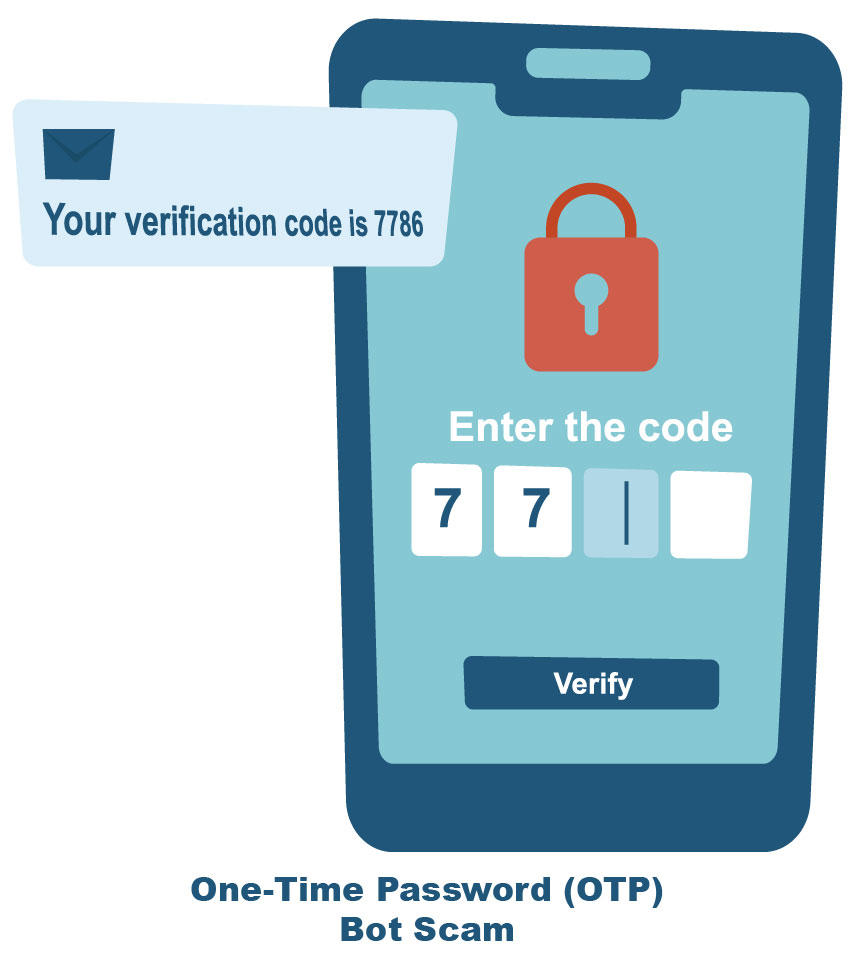
Implementing multi-factor authentication (MFA) adds an extra layer of security by requiring users to provide additional verification, such as a unique code sent to their mobile device and their password.
B. Security Awareness and Education
Educating users about common cyber threats, such as phishing attacks and social engineering, is crucial in preventing credential compromises. Organizations should provide regular security awareness training to employees, covering topics such as identifying phishing emails, recognizing suspicious websites, and avoiding divulging login credentials to unauthorized individuals.
Promoting a culture of cybersecurity awareness and vigilance helps individuals develop critical thinking skills. It empowers them to make informed decisions when interacting with online platforms.
C. Regular Software Updates
Keeping software and devices up to date is essential in mitigating vulnerabilities that can be exploited to steal credentials. Software updates often include patches and security fixes that address known vulnerabilities and protect against emerging threats.
Users should enable automatic updates for their operating systems, web browsers, and applications, ensuring they benefit from the latest security enhancements.
D. Monitoring and Detection
Implementing robust monitoring and detection mechanisms is vital for early identification and response to credential compromises. Organizations should employ intrusion detection systems (IDS) and security information and event management (SIEM) solutions to monitor network traffic and detect suspicious activity.
Individuals should regularly monitor their accounts for any unauthorized access or suspicious transactions. Being proactive in identifying and reporting potential compromises can significantly mitigate the impact of credential theft.
Final Thoughts

Protecting credentials from theft and unauthorized access is paramount in today’s digital age. In this article, we have explored the various methods cybercriminals employ to steal credentials and compromise security. We discussed phishing attacks, malware and keyloggers, data breaches, social engineering tactics, and different types of password attacks.
To protect against credential compromise, it is crucial to implement robust security practices. This includes using strong and unique passwords, enabling multi-factor authentication, regularly updating software and devices, and staying vigilant against phishing attempts and social engineering tactics. Additionally, organizations should provide security awareness training to employees and employ monitoring and detection mechanisms to identify potential compromises.
By adopting these preventive measures, individuals and organizations can significantly reduce the risk of credential theft and mitigate the potential damage caused by unauthorized access and misuse of sensitive information.
Frequently Asked Questions (FAQs)
1. Q: How do I know if I have fallen victim to a phishing attack?
A: Look out for signs such as unusual personal or financial information requests, misspelled or suspicious email addresses, and unexpected urgency in the message. Contact the organization directly through official channels to verify the request when in doubt.
2. Q: Can using a password manager enhance my credential security?
A: Yes, password managers can generate strong, unique passwords for each of your accounts and securely store them. This reduces the risk of password reuse and enhances overall credential security.
3. Q: What should I do if I suspect my credentials have been compromised?
A: Immediately change the passwords for the affected accounts and enable multi-factor authentication if available. Monitor your accounts for unauthorized activity and consider notifying the respective organizations or financial institutions.
4. Q: Are there any tools or services that can help detect if my credentials have been leaked in a data breach?
A: Yes, reputable services allow you to check if your email address or username has appeared in known data breaches. These services can provide insights into potential compromises and prompt you to take necessary actions.
5. Q: How often should I update my passwords?
A: It is recommended to update passwords regularly every three to six months. Additionally, change passwords immediately if you suspect any compromise or receive a notification of a data breach affecting your service.
Remember, prioritizing credential security is essential in maintaining the privacy and integrity of your personal and professional accounts. Stay informed, stay vigilant, and implement robust security practices to protect your credentials from being stolen.









[…] more mobile applications and social media platforms move to find more ways to steal people’s data, regulators are looking to implement more […]
[…] your privacy settings on social media platforms is of utmost importance due to the following […]